
What Is a Blower? Types, Uses and Working Principle
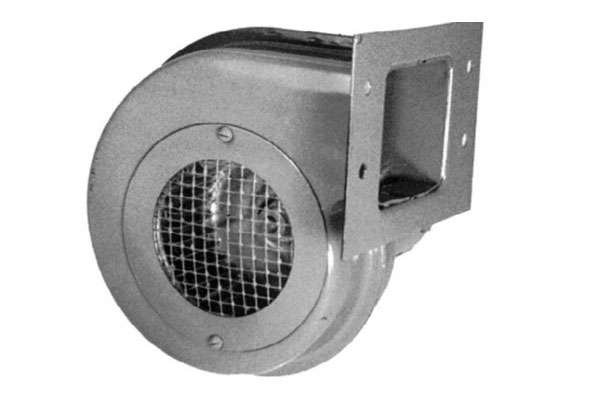
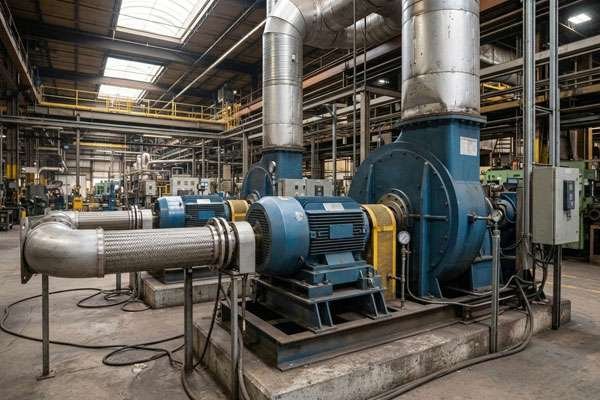
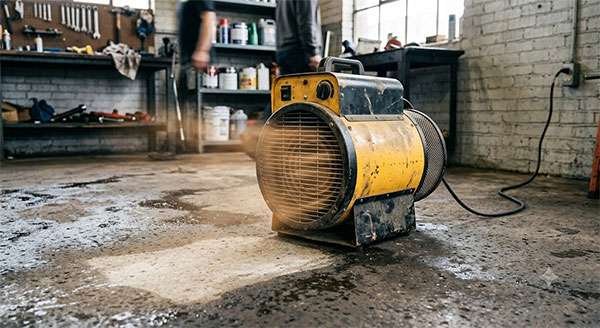
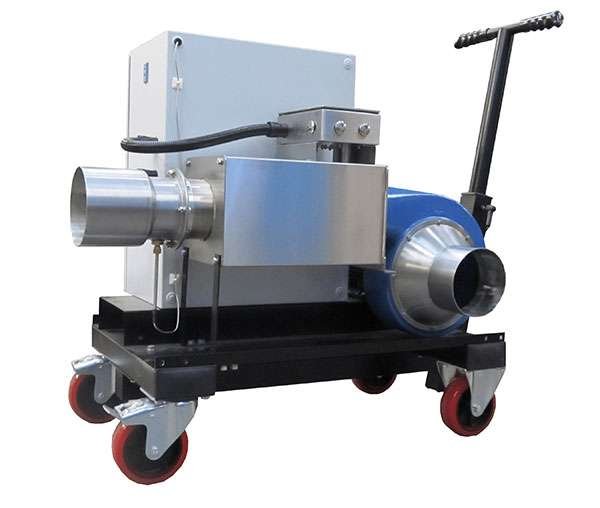
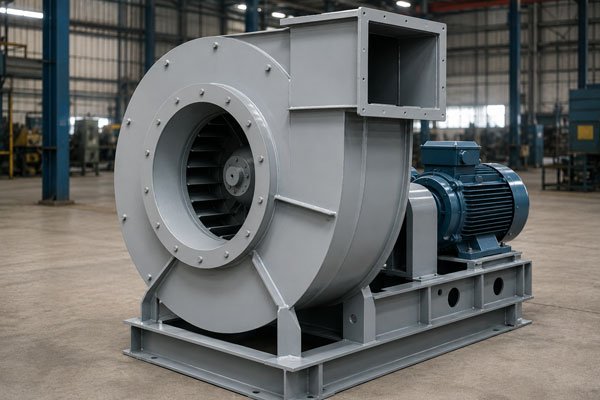
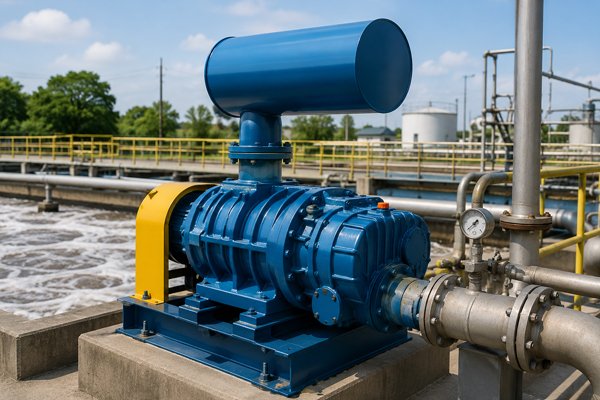
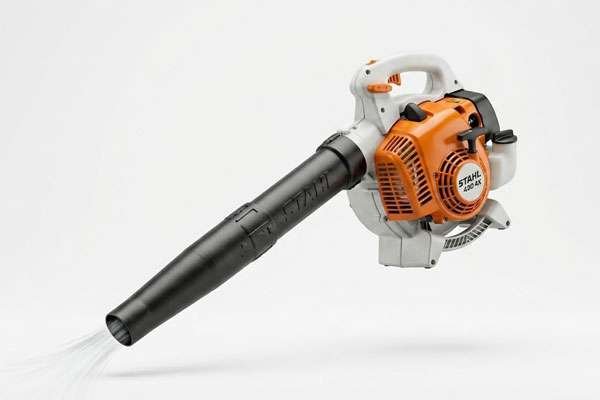
A blower is a mechanical device used to move air or gas from one location to another by generating airflow and pressure. Blowers are widely used in industrial ventilation, cooling, drying, dust collection, pneumatic conveying, and various process applications. How Does a Blower Work? A blower uses a rotating impeller, rotor, or similar mechanism to draw air into the unit and discharge it at a higher pressure. The design of the blower determines the airflow volume, pressure, and efficiency required for a particular application. Types of Blowers Common types of industrial blowers include: Centrifugal Blowers for high-volume air movement and industrial ventilation. High Pressure Blowers for applications requiring increased air pressure. Positive Displacement Blowers for consistent airflow in process and conveying systems. Industrial Heater Blowers for hot-air circulation, drying, and heating applications. Applications of Blowers Blowers are used across many industries for ventilation, dust collection, drying, cooling, combustion air supply, pneumatic conveying, furnace systems, and air circulation. The correct blower selection depends on the required airflow, pressure, temperature, operating environment, and process requirements. How to Choose the Right Blower? When selecting a blower, consider the required airflow capacity, pressure range, motor power, operating temperature, material of construction, and duty cycle. Choosing a blower according to actual process requirements helps ensure reliable performance and efficient operation. Conclusion Blowers play an important role in maintaining effective air movement and process control across industrial applications. Understanding the blower type, operating requirements, and application conditions makes it easier to select a suitable solution for reliable and continuous performance. Enquiry Now Contact Us