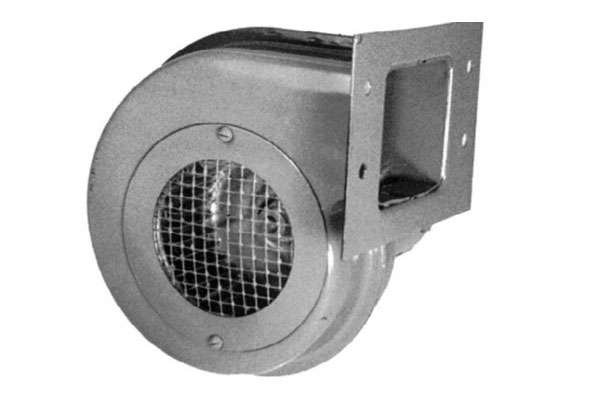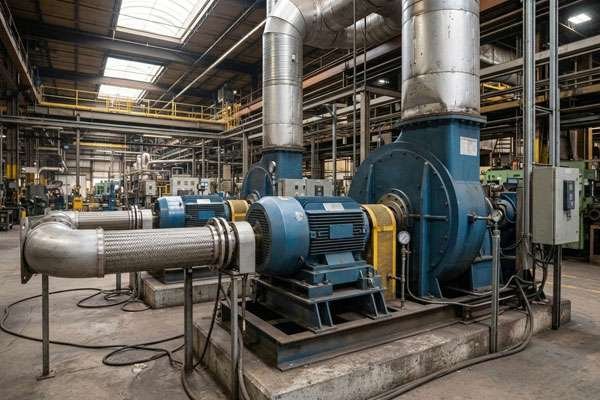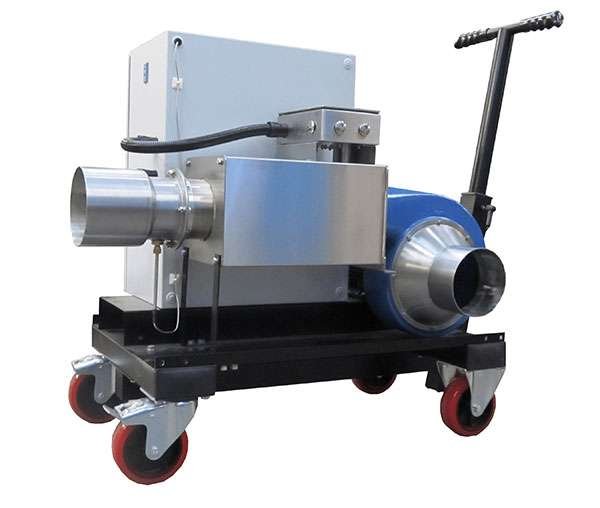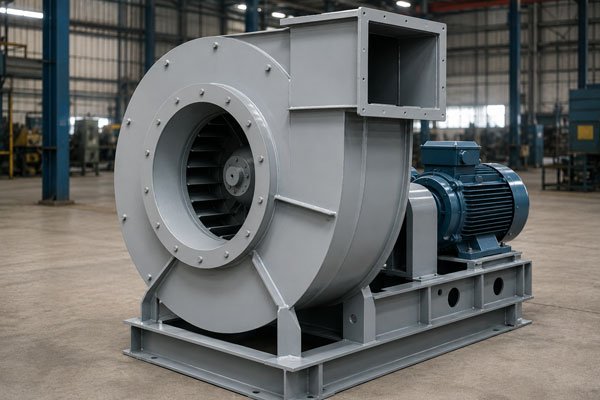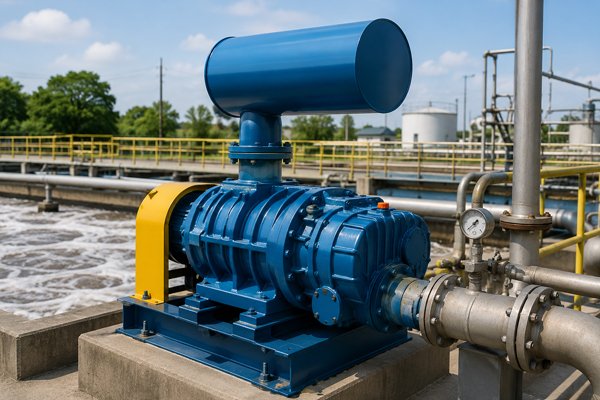
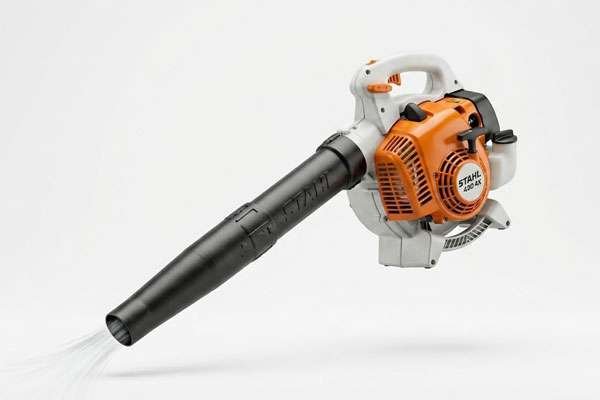
Introduction In modern industrial operations, efficient air movement plays a critical role in maintaining productivity, process efficiency, and workplace safety. An Industrial Blower is a powerful mechanical device designed to generate a continuous flow of air or gas at controlled pressure levels for various industrial applications. From ventilation and dust collection to material handling and combustion air supply, industrial blowers are essential components across numerous industries. As industries continue to prioritize energy efficiency, process optimization, and environmental compliance, the demand for advanced Industrial Air Blower Machines has increased significantly. Whether you require standard air handling solutions or specialized High Pressure Industrial Blowers, selecting the right equipment can greatly impact operational performance and long-term cost savings. This guide explores the working principle, types, applications, benefits, and selection criteria of industrial blowers to help businesses make informed decisions. Contact Us … What is an Industrial Blower? An Industrial Blower is a mechanical device used to move air or gases at higher pressures than standard fans. Unlike conventional fans that circulate air with minimal pressure increase, blowers generate substantial airflow and pressure to support demanding industrial processes. Industrial blowers are widely used for: Ventilation systems Dust collection systems Pneumatic conveying Industrial drying Cooling applications Combustion air supply Wastewater treatment Process air management Leading Industrial Blower Manufacturers design blowers to meet specific airflow, pressure, and environmental requirements across different industries. Working Principle of an Industrial Blower The operation of an industrial blower is based on increasing the velocity and pressure of air through rotating impellers. Step-by-Step Working Process Air Intake Ambient air enters the blower through the inlet section. Impeller Rotation A motor-driven impeller rotates at high speed, imparting kinetic energy to the air. Pressure Development The high-speed air is directed through the blower housing, where velocity energy is converted into pressure energy. Air Discharge Pressurized air exits through the outlet and is delivered to the intended industrial process. The efficiency of an Industrial Air Blower Machine largely depends on impeller design, motor efficiency, airflow requirements, and operating conditions. Types of Industrial Blowers Different industries require different airflow and pressure characteristics. The most common types include: Centrifugal Blowers Centrifugal blowers use rotating impellers to move air radially outward. Features High efficiency Stable airflow Low maintenance Suitable for medium to high-pressure applications Applications Dust collection Air pollution control HVAC systems Material conveying High Pressure Industrial Blowers High Pressure Industrial Blowers are specifically designed to generate higher static pressures for demanding industrial applications. Features High-pressure air delivery Robust construction Continuous-duty operation Excellent process reliability Applications Pneumatic conveying Industrial burners Vacuum systems Wastewater aeration Chemical processing These blowers are widely used where maintaining consistent pressure is crucial for process efficiency. Axial Flow Blowers Axial blowers move air parallel to the shaft axis. Features High airflow volume Lower pressure generation Compact design Applications Ventilation systems Cooling towers Industrial exhaust systems Positive Displacement Blowers These blowers trap a fixed volume of air and force it through the system. Features Consistent airflow Suitable for varying pressure conditions High operational reliability Applications Sewage treatment plants Pneumatic conveying systems Chemical industries Key Features of Modern Industrial Blowers Today’s industrial blowers are engineered to deliver maximum efficiency and reliability. Energy-Efficient Design Advanced impeller technology minimizes energy consumption while maintaining high performance. Heavy-Duty Construction Manufactured using high-quality steel, stainless steel, or specialized alloys for long service life. Low Noise Operation Optimized designs help reduce noise levels and improve workplace comfort. Corrosion Resistance Suitable for handling aggressive gases and harsh industrial environments. High Airflow Capacity Capable of delivering large air volumes for demanding industrial processes. Continuous Operation Designed for 24/7 industrial usage with minimal downtime. Applications of Industrial Blowers Across Industries Industrial blowers serve a wide range of sectors due to their versatility and performance. Manufacturing Industry Process cooling Dust extraction Machine ventilation Material handling Food Processing Industry Product drying Packaging operations Clean air circulation Cooling systems Chemical Industry Gas handling Fume extraction Process ventilation Reactor aeration Cement Industry Kiln combustion air Dust collection systems Material conveying Wastewater Treatment Plants Aeration tanks Biological treatment systems Oxygen transfer processes Pharmaceutical Industry Clean room ventilation Drying processes Air filtration systems Textile Industry Fiber transport Drying operations Process ventilation Power Plants Boiler combustion air Flue gas handling Cooling applications Benefits of Using Industrial Blowers Investing in a high-quality Industrial Blower offers several operational advantages. Improved Process Efficiency Consistent airflow enhances production performance and process stability. Reduced Energy Costs Energy-efficient blowers lower electricity consumption and operating expenses. Better Product Quality Controlled airflow improves consistency in manufacturing processes. Enhanced Workplace Safety Effective ventilation removes harmful gases, dust, and contaminants. Lower Maintenance Requirements Modern blowers are engineered for reliability and long service intervals. Increased Equipment Lifespan Proper air management reduces stress on connected machinery. Environmental Compliance Supports emission control and pollution management initiatives. Factors to Consider When Choosing an Industrial Blower Airflow Requirements Determine the required air volume (CFM or m³/hr) for your application. Pressure Requirements Evaluate whether standard or High Pressure Industrial Blowers are necessary. Operating Environment Consider temperature, humidity, corrosive gases, and dust levels. Energy Efficiency Choose systems with optimized motor and impeller designs to reduce operating costs. Material Construction Select appropriate materials based on environmental and process conditions. Noise Levels For indoor installations, low-noise designs may be important. Maintenance Accessibility Easy access to components simplifies routine servicing and reduces downtime. Supplier Expertise Partnering with an experienced Industrial Blower Manufacturer ensures proper product selection, technical support, and after-sales service. Conclusion An Industrial Blower is a critical component for efficient air handling, ventilation, cooling, material conveying, and process optimization across numerous industries. Whether your application requires standard airflow management or specialized High Pressure Industrial Blowers, selecting the right blower significantly impacts productivity, energy efficiency, and long-term operational costs. Working with an experienced Industrial Blower Manufacturer ensures access to reliable, high-performance equipment tailored to your specific requirements. Businesses seeking dependable solutions often partner with a trusted Industrial Blower Supplier in India or an established Industrial Blower Manufacturer in Ahmedabad for quality products, technical expertise, and ongoing support. By understanding